Ford
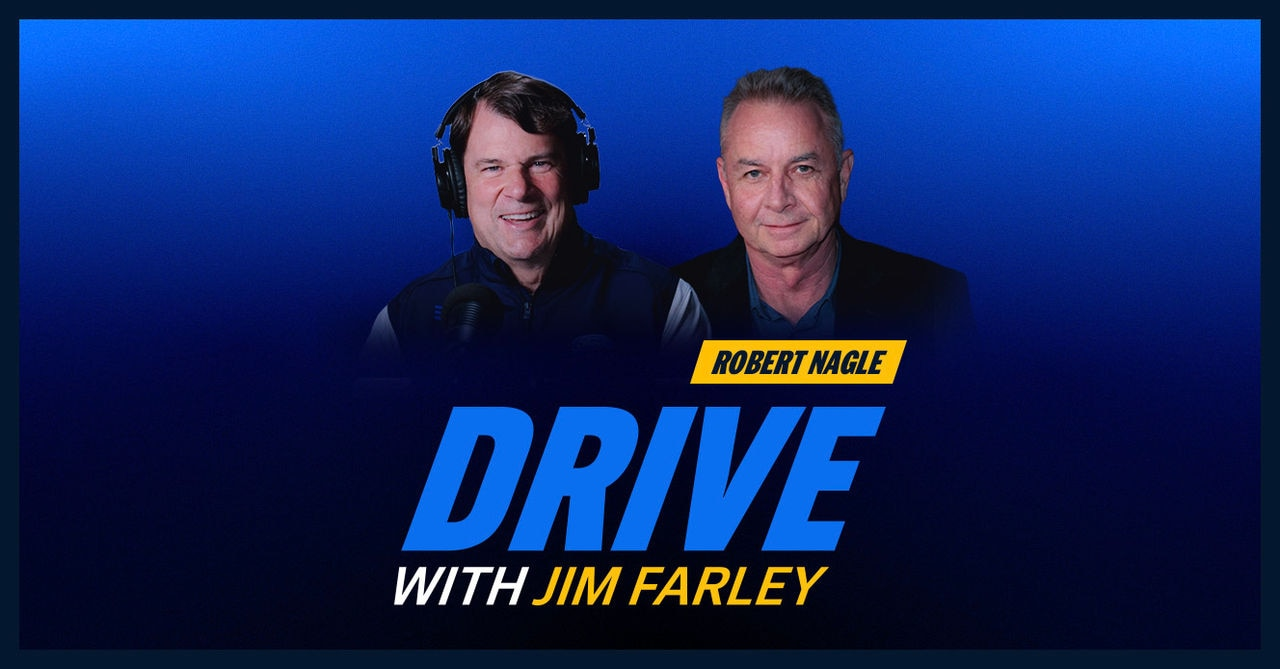
Hollywood Stunt Coordinator Robert Nagle on How Focus, Competition, and Teamwork Drive Performance
From Drag Strips to Road Courses
Robert Nagle's entry into motorsport was far from conventional. Before earning credits on major Hollywood productions, he was competing in largely unsanctioned drag racing events. That raw, unstructured introduction to speed eventually gave way to road racing, a discipline that demanded an entirely different kind of discipline and concentration.
Nagle describes the experience of racing not through the lens of adrenaline or thrill-seeking, but as something closer to intense, calming focus. He characterizes it as playing chess at 150 miles an hour — a mental exercise requiring sustained precision rather than reactive excitement. It is this internal quality of the sport, he explains, that ultimately shaped both his driving and his later professional work.
Translating Speed Into Cinema
That deep familiarity with the demands of competitive driving created a natural bridge into film. Nagle transitioned from the track to Hollywood, where his racing background became the foundation for a career in driving and action design — a discipline that asks practitioners to replicate the look and feel of motorsport while keeping cast, crew, and equipment safe.
His most prominent credit in this space is Ford v Ferrari, the film directed by James Mangold. Nagle was involved in designing and writing the race action sequences for the production, bringing authentic motorsport logic to scenes that needed to feel credible to audiences familiar with the sport.
One of the most logistically complex challenges he describes was staging the Le Mans start — the chaotic, mass-movement moment that opens the famous endurance race. Safely choreographing that sequence for camera while managing the inherent unpredictability of the scenario required the same exhaustive preparation Nagle had applied throughout his racing career.
Innovation and Industry Recognition
Beyond his work on Ford v Ferrari, Nagle points to broader contributions to how the film industry approaches driving and action sequences. Among these is a device known as the Biscuit Jr., an industry innovation that earned him an Academy Award. The specifics of its function place it within the technical side of film production, where tools that expand what cameras and operators can safely achieve on set are recognized at the highest levels of the craft.
The award reflects a career spent not only performing at speed but rethinking how speed is captured and presented — a dual focus that has set Nagle apart within both the motorsport and entertainment communities.
Preparation, Stakes, and Building the Right Room
Throughout the conversation, several themes emerge that connect Nagle's racing experience to his work behind the scenes. Chief among them is the value of deep preparation as the foundation of safety. Whether managing a Le Mans start for a film or competing on a road course, the work done before the moment of execution is what determines the outcome.
He also speaks to the role that competitive stakes play in achieving a state of flow — the idea that genuine pressure, the kind that comes with real consequences, creates the conditions for peak performance in a way that low-stakes environments simply cannot replicate.
On leadership, Nagle is direct: the goal is not to be the most knowledgeable person in the room, but to assemble the best possible team and remain genuinely open to what that team brings. It is a philosophy shaped by decades of relying on others in environments where errors carry serious costs, and one he applies with equal conviction to both racing and film production.
Source: Ford Newsroom.