Ford Ships First Battery Cells from Michigan Plant to Power Fathom Electric Truck Prototypes
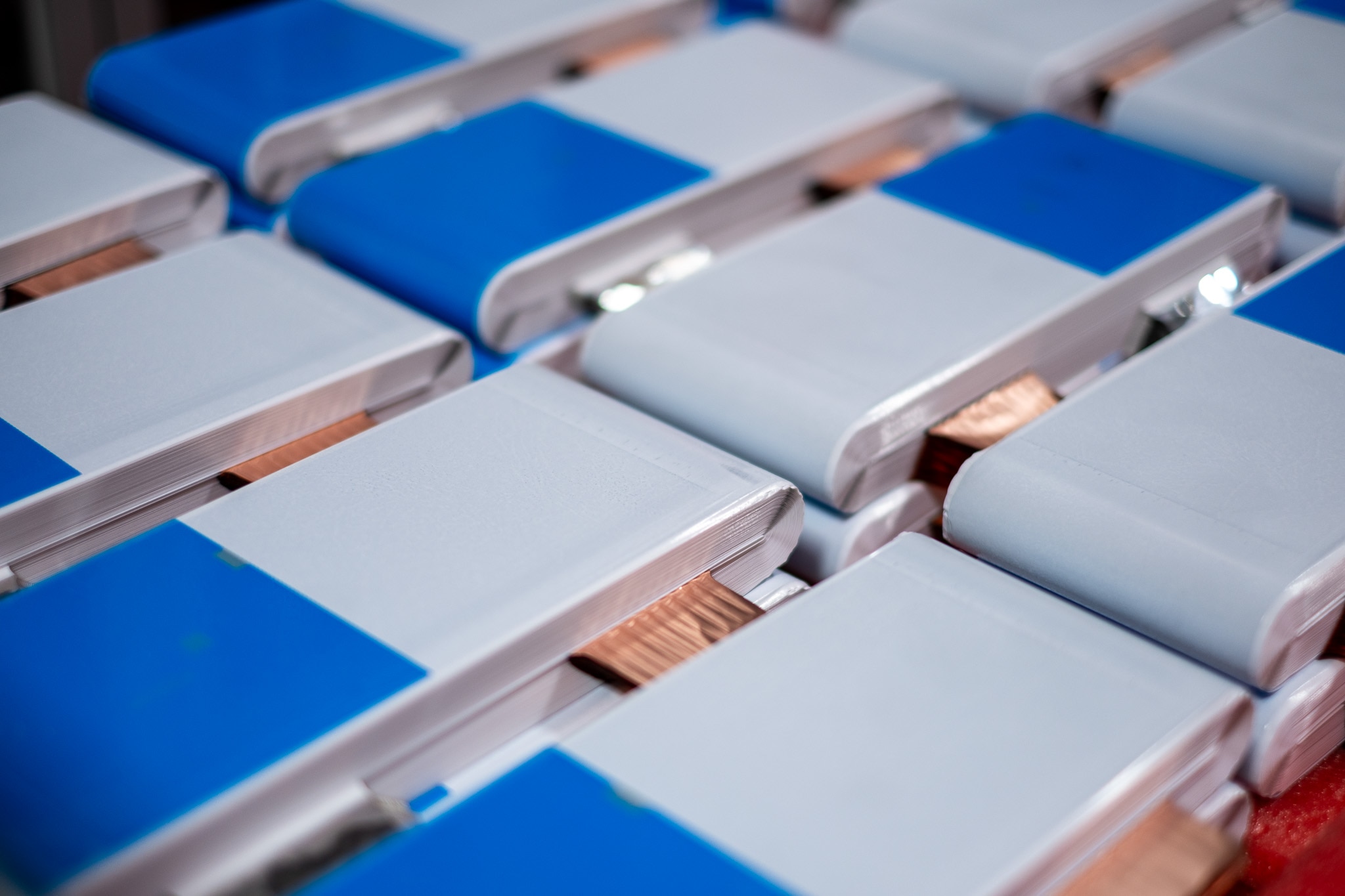
BlueOval Battery Park Michigan has begun producing lithium iron phosphate prismatic cells destined for Louisville Assembly Plant, marking what Ford describes as a key milestone in its bid to manufacture affordable EV batteries domestically.
Ford has begun shipping the first lithium iron phosphate prismatic battery cells produced at BlueOval Battery Park Michigan, sending them to Louisville Assembly Plant to power prototypes of the forthcoming Fathom electric truck, the automaker announced November 18, 2026, on its From the Road media site.
The shipment represents what Ford characterizes as a turning point in its ambitions to control more of its own battery supply chain. According to the From the Road article, the company now owns and operates the Michigan facility, giving it direct experience manufacturing cells rather than relying solely on outside suppliers. Ford states the expertise being built there is intended to support both more affordable electric vehicles and the battery energy storage activities of its Ford Energy business in Glendale, Kentucky.
The choice of LFP prismatic chemistry was driven by a cost-reduction mandate, according to Ford's From the Road account. The chemistry avoids nickel and cobalt, two materials that add expense to battery packs. Ford says it also offers durability over repeated charge cycles, a trait it considers valuable as it pursues features such as AC bidirectional power that allow compatible vehicles to both receive electricity from and return it to a suitably equipped home — though the company notes that capability requires a Ford Home Power Station, utility approval, and an active Ford trial or plan.
The prismatic, or rectangular, cell shape was selected in part because the cells can be integrated directly into the vehicle chassis, allowing the battery pack to serve a structural role rather than simply being housed within the body. Ford says this approach reduces parts count and weight. The pack design also consolidates electrical and sensing connections onto a flexible circuit board and incorporates compact power electronics within the pack itself, an architecture Ford links to what it calls the Universal EV Production System.
Alan Clarke, who Ford identifies as vice president of Advanced Development Projects, is credited in the From the Road piece with setting the original challenge to find an efficient LFP prismatic solution when he joined the team developing the Universal Electric Vehicle Platform. The article also identifies CATL as the world's leading battery manufacturer and notes the company's batteries power vehicles across the globe, though it does not detail the specific nature of the technology relationship between Ford and CATL in the context of this plant.
On the production side, Ford states that BlueOval Battery Park Michigan's assembly lines are capable of producing 40 cells per minute, which the company describes as among the fastest rates for LFP prismatic cells outside of China. Quality control relies on AI-powered image recognition and other inspection tools, with Ford setting a target of tracking defect frequency per billion cells rather than the more common per-million measure.
The cells now heading to Louisville will be used in Fathom prototype vehicles and will inform ongoing development work. Ford says it plans to have a battery pack plant operational in Marshall, Michigan, by 2027, ahead of the Fathom's launch. The From the Road article identifies Charles Poon as Ford's vice president of Hardware Engineering.
AutoWorld Take
Source: Ford Official News