How Ford Chooses Car Names—and Why Some Never Make It
Ford describes a naming process shaped by customer research, internal approvals, trademark checks and language screening—not just a memorable idea.
A vehicle name may fit on a small badge, but getting it there can involve dozens of decision-makers and extensive customer research. In an October 20 feature, Ford describes the work led by Scott Hauman, its global head of nomenclature, and the obstacles between an appealing suggestion and a name customers actually see.
The brief is straightforward: a name should be understandable, memorable and meaningful to customers. The challenge is that it must also survive competing opinions inside the company. Hauman describes a process that can require approval from 30 or 40 people, alongside research involving 2,000 consumers on private panels. Those figures describe Ford’s account of the process, not a universal formula for every vehicle launch.
The job extends beyond naming cars and trucks. Ford says the team is on pace to name roughly 100 vehicles, features and services during 2026. Some names primarily explain what a product does; others aim to give it a distinct personality.
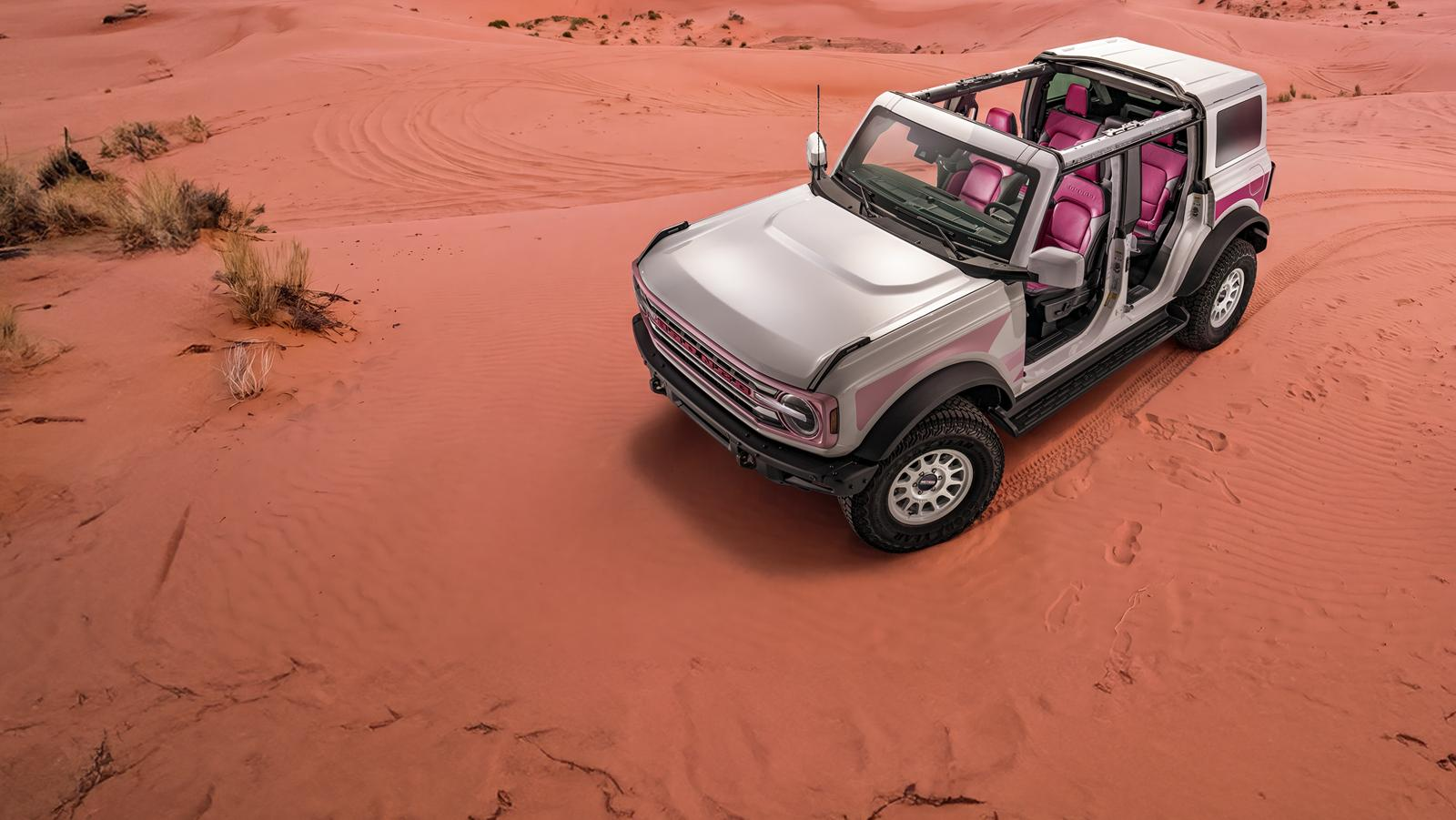
Bronco Desert Rising illustrates the more expressive approach. Ford connects that name to the pink, coral and berry colors of Utah desert landscapes around sunrise and sunset. The example shows how a name can reinforce the design of a customization package instead of functioning only as an identifier.
A promising name can still be rejected late in development. Trademark review may uncover a legal obstacle. Language checks may reveal an unintended meaning or a poor translation in another market. Internal reviewers can also send the team back to the beginning. Ford says it develops many candidates, which provides alternatives and helps keep an unreleased product’s eventual name confidential.
For shoppers, the takeaway is that a badge reflects more than the opinion of one designer or executive. It is the result of customer testing, legal screening and brand decisions. Ford’s feature offers a look at that process, but it is not an announcement of a newly available vehicle or a guarantee that a particular candidate name will reach production.
AutoWorld Take
Source: Ford Official News