Lamborghini Revisits the 400 GT’s Grand Touring Role 60 Years After Its Debut
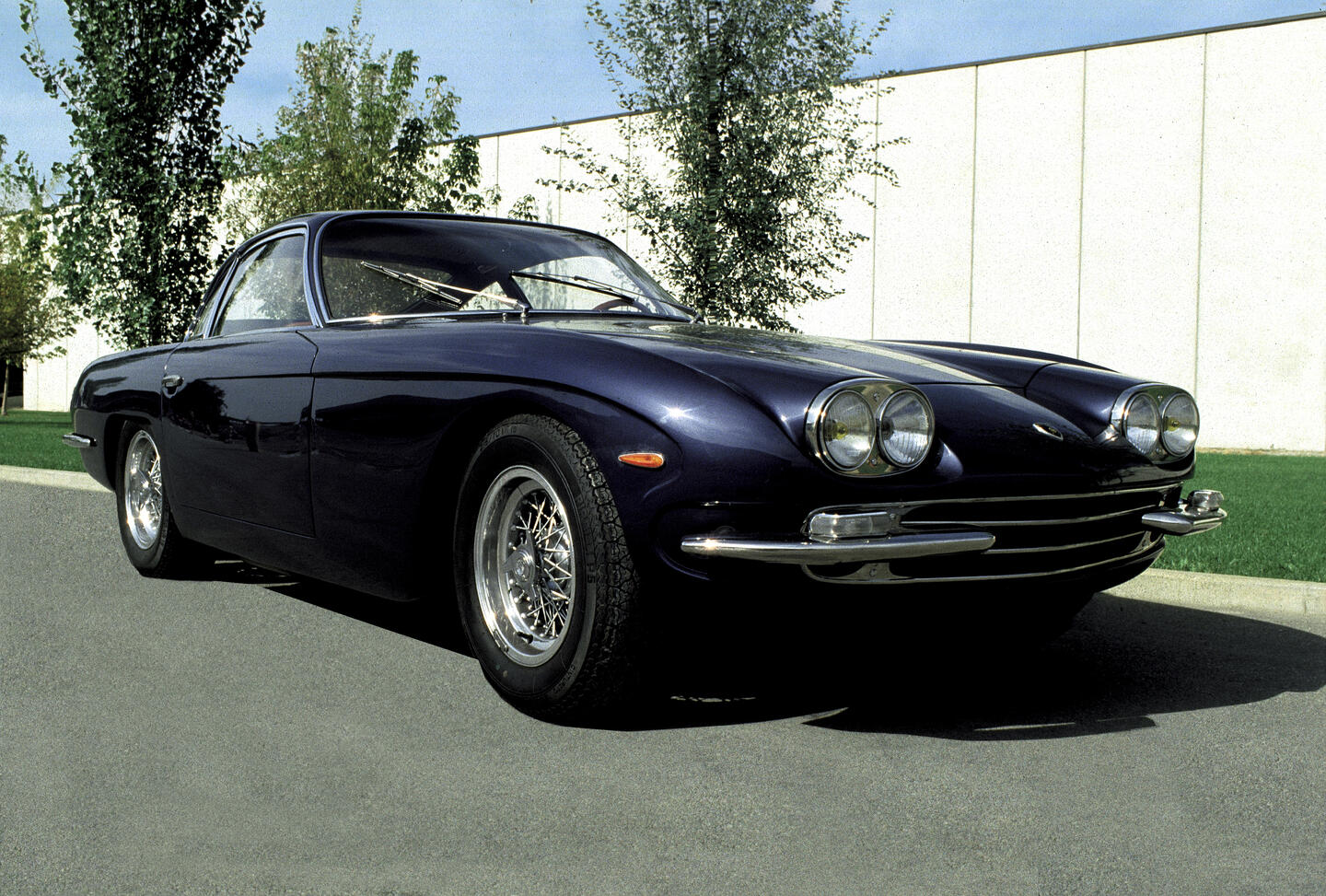
The manufacturer’s new heritage account focuses on the four-liter V12, expanded cabin and preservation support behind its early 2+2.
Lamborghini is looking back at a car that helped broaden its ambitions beyond its first grand tourer. In a heritage article published October 21, the manufacturer marked 60 years since the 400 GT’s 1966 Geneva Motor Show debut, emphasizing the model’s combination of V12 performance and increased everyday versatility.
The anniversary concerns the original car’s introduction, not a newly launched 400 GT. Lamborghini describes the model as an evolution of the 350 GT that provided room for two rear passengers, more headroom and a larger luggage compartment. Those changes moved the early Lamborghini formula toward a more accommodating 2+2 suitable for longer journeys.
The engineering changes were significant as well. Engine displacement increased to 3,929 cubic centimeters, with Lamborghini citing 320 CV and 276 pound-feet of torque. The company also identifies a new in-house gearbox and revised rear suspension as important steps in the car’s development. Its technical sheet lists a five-speed manual transmission and six Weber twin-throat carburetors.
Lamborghini places the car within the cultural life of the period, noting its appeal to entertainment figures and international customers. One particularly specific connection is a red example with a black interior that was parked on London’s Savile Row on January 30, 1969, when the Beatles performed on the Apple Corps rooftop. That is a historical association described by the manufacturer, not a claim that the group owned the car.
The present-day news angle is preservation. Lamborghini says its Polo Storico operation supports surviving 400 GTs through archival research, certification and restoration. For collectors, those services help connect an individual car’s physical condition with records of its original specification and history.
The retrospective underlines that Lamborghini’s identity was shaped not only by dramatic performance, but also by the challenge of making an early V12 grand tourer more usable without losing its distinctive character.
AutoWorld Take
Source: Lamborghini Newsroom