Mazda and Yazaki Cut CX-5 Wiring Variants by About 80% to Support Automation
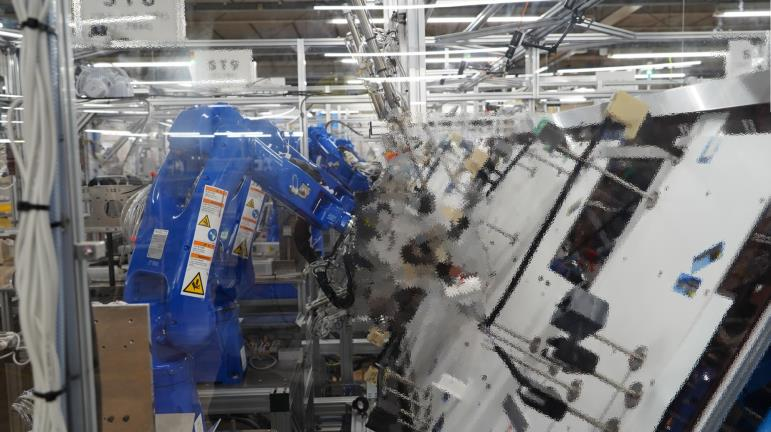
A jointly redesigned wire-harness production system brings assembly closer to Mazda’s Japanese vehicle plants.
Mazda and wiring specialist Yazaki have introduced a new production approach for the all-new CX-5 that combines nearby component manufacturing with a substantial reduction in wiring complexity. In an October 15 joint announcement, the companies said the number of wire-harness variants is approximately 80% lower than in the previous-generation CX-5.
The project began in early 2022. Rather than simply adding robots to an existing production line, Mazda and Yazaki worked together during vehicle development to reconsider the harness specifications, physical structures and assembly processes. The variant reduction also reflects optimization across the vehicle, not just a single factory change.
Wire harnesses distribute electrical power and carry data through a car. Different vehicle specifications can require different combinations of wires and terminals, while many assembly steps remain delicate enough to depend on manual work. That creates challenges for automation, inventory and logistics as the number of configurations grows.
Under the new arrangement, a Yazaki affiliate in Mine City, Yamaguchi Prefecture, assembles purchased components into finished harnesses. Those units are delivered to Mazda’s vehicle plants in Hiroshima and Yamaguchi prefectures. The companies describe the shorter supply arrangement as a way to respond more flexibly to changing demand and outside disruptions.
Mazda and Yazaki intend to apply what they learn to harnesses for future models. They also identify regional manufacturing skills and technical knowledge transfer as priorities alongside cost competitiveness and supply stability.
For American readers, this is a manufacturing update involving the CX-5 nameplate, not an announcement of a U.S. factory or a new U.S. specification. The release gives no quantified consumer price reduction or fuel-economy benefit. Its measurable result is the reduction in harness variants; broader efficiency and resilience benefits remain the manufacturers’ stated rationale.
AutoWorld Take
Source: Mazda Global Newsroom