Rivian Expands Redwood Battery Deal to Cover Factory Scrap and Retired Packs
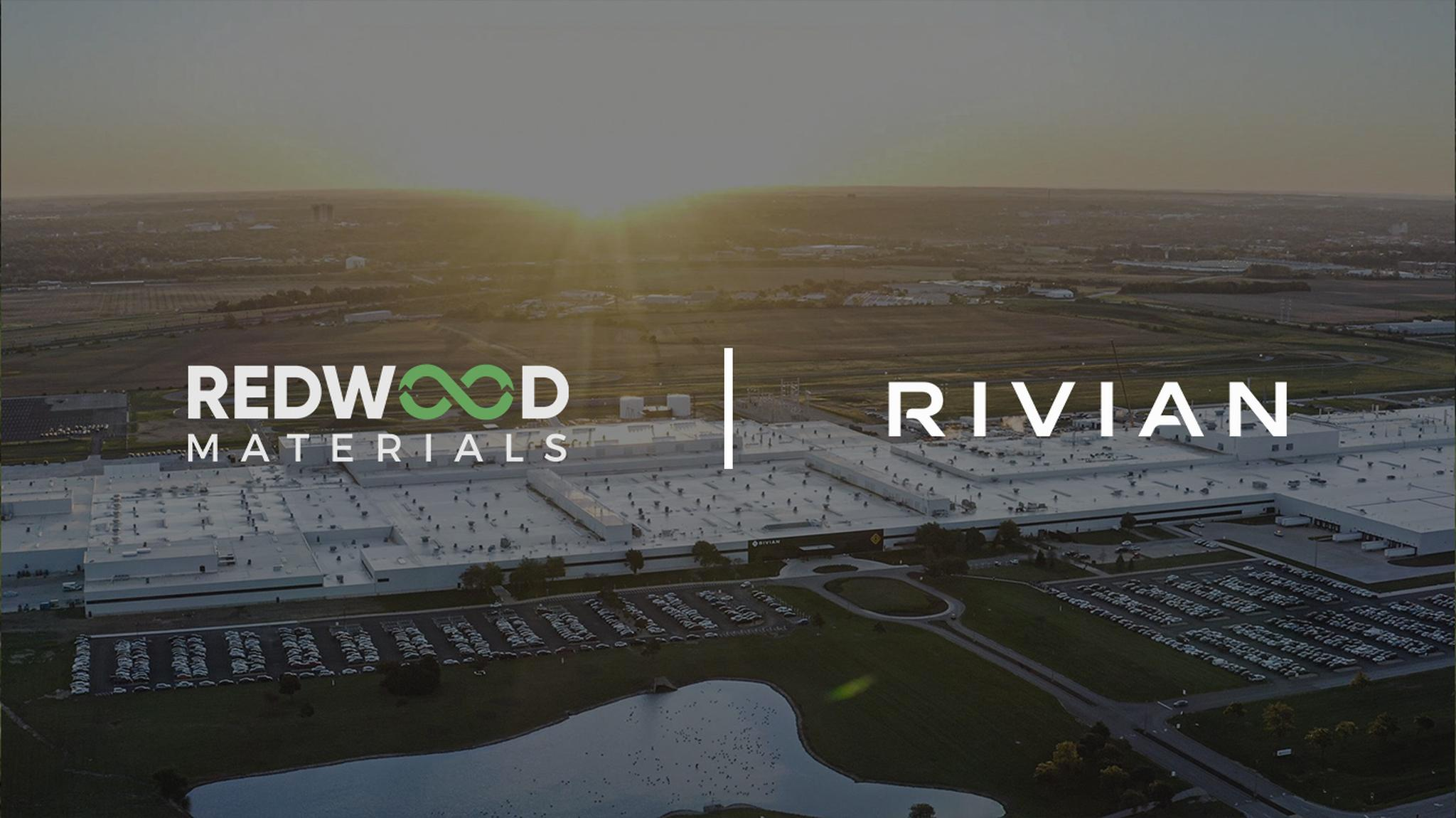
The enlarged partnership links recycling with second-life energy storage at Rivian’s Normal, Illinois plant.
Rivian and Redwood Materials are expanding their battery partnership beyond stationary storage to include production scrap and end-of-life vehicle packs. Rivian announced the broader arrangement October 14, linking material recovery with energy storage for its manufacturing plant in Normal, Illinois.
Under the arrangement, Redwood receives packs collected through Rivian’s nationwide service-center network when they are no longer suitable for use in vehicles. It evaluates whether each pack can be repurposed for stationary energy storage or should go directly to recycling. The new scope also adds battery scrap from Rivian’s manufacturing operations.
The distinction matters because retirement from a vehicle does not necessarily mean a battery has no remaining use. Stationary systems can store energy during lower-cost periods and release it when demand and electricity prices rise. Packs that can no longer support that work can then move into material recovery.
The October expansion builds on a separate April announcement covering 10 megawatt-hours of storage using repurposed Rivian packs at the Normal factory. That earlier project is the foundation for the new agreement, not an additional 10-MWh installation announced this month.
Rivian says Redwood’s process can recover critical minerals including lithium, nickel, cobalt and copper at rates exceeding 95%. That is a company-stated process capability; the release does not provide an audited recovery rate for a completed batch of Rivian batteries or a measured factory energy-cost saving.
The broader aim is to connect collection, reuse and recycling within a domestic battery supply chain instead of treating each stage as a separate disposal problem. Neither company disclosed a new dollar value or additional storage capacity for the expanded partnership. The immediate development is the wider responsibility Redwood will take on as Rivian manages batteries from manufacturing through service retirement and potential second-life use.
AutoWorld Take
Source: Rivian Newsroom