Rivian's Dynamic Headlights Lead the Way
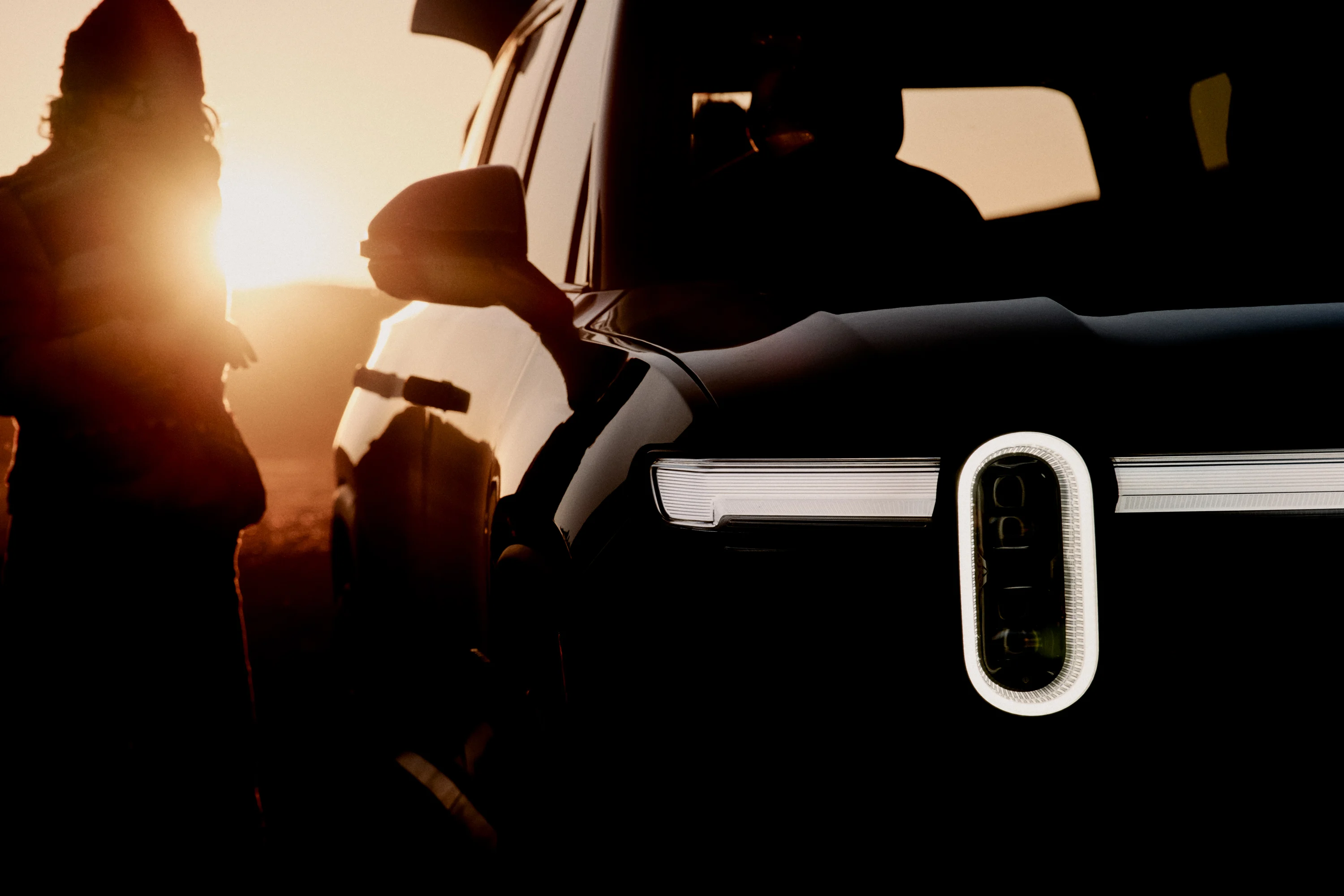
Rivian says its in-house-developed Dynamic Adventure Lighting system, which it claims was the first adaptive matrix headlight system activated in the United States, uses individually controlled LED pixels to improve nighttime visibility while avoiding glare for oncoming drivers.
Rivian has detailed the technology behind its Dynamic Adventure Lighting system, describing it as a significant step forward in nighttime visibility for drivers of its Gen 2 R1 vehicles. According to a post on the Rivian Newsroom site dated September 30, 2026, the system was developed entirely in-house and launched in 2025, with Rivian claiming it represented the first adaptive matrix headlights to be activated in the United States.
At the heart of the system is what Rivian describes as a matrix of individual LED "pixels," each of which can be switched on or off independently. Rather than the binary on/off behavior of traditional high beams, this arrangement allows the headlights to continuously reshape and redistribute the light beam in real time. The system works in conjunction with vehicle sensors and software to detect oncoming traffic and selectively dim portions of the beam directed at those vehicles, while keeping the rest of the road ahead brightly illuminated. The Autopian, a automotive publication, is cited by Rivian's Newsroom post as having described the effect as "truly mind-blowing."
Rivian's Newsroom acknowledges that adaptive matrix headlight technology has been available in other parts of the world for considerably longer. The technology's arrival in the U.S. market was held back by regulatory requirements, which Rivian says were not resolved until standards cleared in 2022. The company attributes its ability to be first to market in the U.S. with an activated version of the technology to its vertically integrated development model, in which both hardware and software are designed internally. That integration, Rivian argues, allowed it to move more quickly than competitors.
The company also emphasized that this internal development approach enables it to continue refining and expanding the system's capabilities over time through over-the-air software updates, adding new features and adjustments to how the lights perform without requiring a dealer visit or hardware changes.
The Rivian Newsroom post also references upcoming Halloween 2026 content involving a Ghostbusters-themed software experience for Rivian vehicles, though specific details about that feature were not elaborated upon in the portion of the source material available for this article.
AutoWorld Take
Source: Rivian Newsroom